
Why Strategic Operating Systems Exist Above Software Platforms
By Christopher Cureton
Modern organizations are surrounded by software.
CRMs manage pipelines.
ERPs manage operations.
Work management platforms coordinate tasks.
AI tools automate decisions.
And yet, despite unprecedented tooling, execution is slower, launches underperform, and teams struggle to stay aligned.
The problem isn’t a lack of software.
It’s a lack of strategic governance.
Most organizations assume that if they buy the right tools, alignment will follow.
So they invest in:
Better platforms
More integrations
Smarter automation
AI-enabled workflows
But tools don’t define strategy. They consume it.
When strategy is unclear, software doesn’t fix the problem. It operationalizes it.
Enterprise software platforms are built to store information, track activity, enforce process, and automate workflows.
They are excellent at execution.
They are not designed to answer:
What value the organization delivers
Which narrative the market should believe
How product, marketing, and sales should define success
What tradeoffs matter most
Software platforms assume those questions have already been resolved.
When they haven’t, execution accelerates in the wrong direction.
What most organizations lack is a governing layer of strategy above execution.
This layer must:
Define value once
Establish a shared strategic narrative
Govern decision logic across functions
Prevent interpretation drift before work begins
This is the role of a Strategic Operating System.
Strategic Operating Systems are pre-software systems.
They determine what software should execute, before tools are selected, configured, or automated.
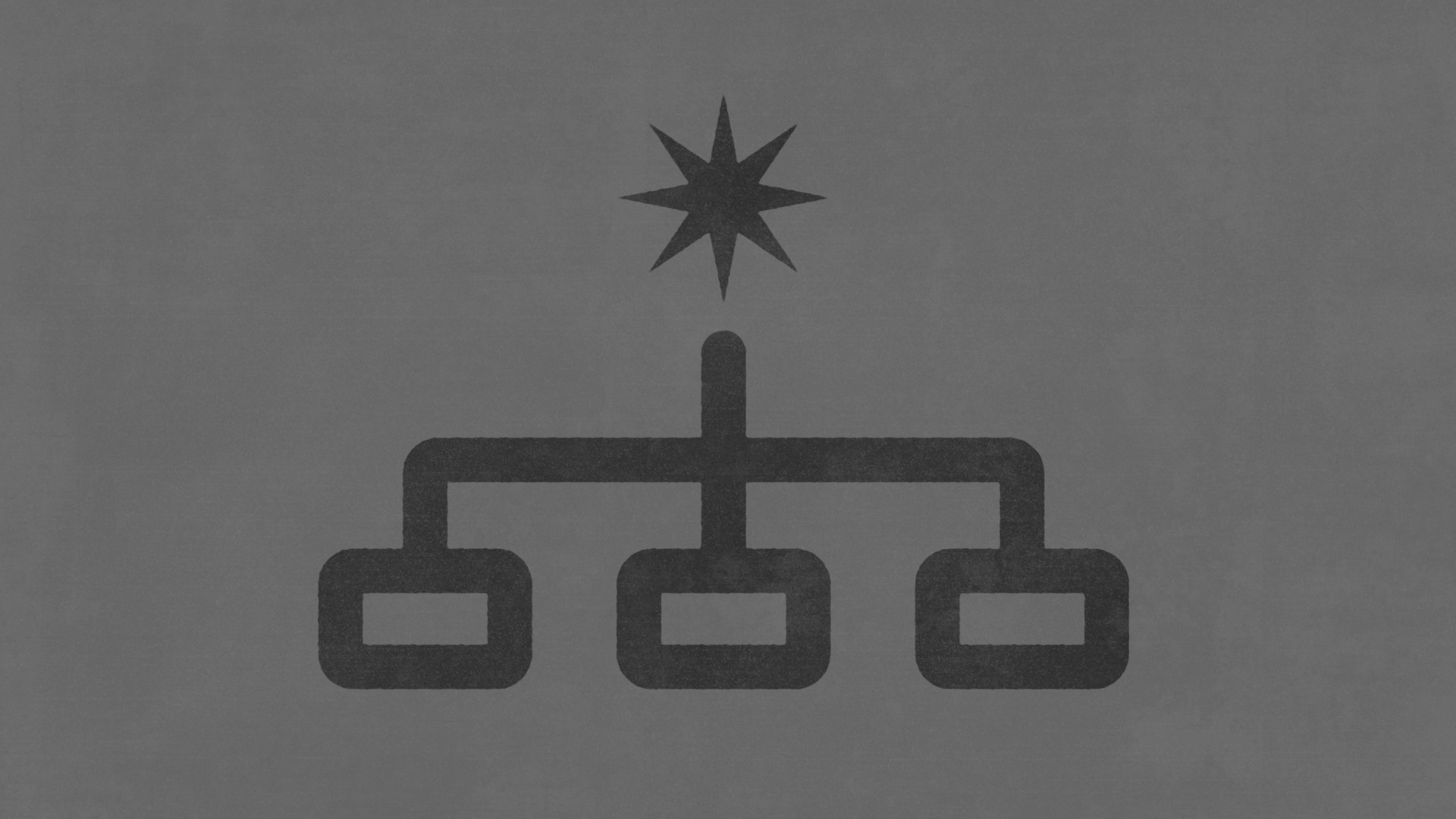
There is a better hierarchy.
To understand the distinction clearly, the hierarchy matters:
Strategic Operating System
Defines intent, ambition, and direction. Governs interpretation, alignment, and decision logicExecution Systems
Translate strategy into plans, processes, and workflowsSoftware Platforms
Digitize and automate execution
Too many organizations try to use software to solve a governance problem.
It doesn’t work.
Software-first alignment not only fails, it actually accelerates misalignment.
When organizations rely on tools to create alignment:
Each team configures platforms differently
Metrics diverge by function
Automation reinforces silos
AI scales conflicting logic
The result is faster fragmentation.
This is why organizations can modernize their tech stack and still experience:
Slower decisions
Conflicting priorities
Inconsistent customer experiences
The problem lives above the tools.
A Strategic Operating System is not a CRM, an ERP, an OKR platform, a project management system, or an AI layer.
It is the governing infrastructure that ensures those tools operate from the same strategic logic.
Without it:
Product builds one story
Marketing tells another
Sales sells a third
Software simply makes the misalignment harder to unwind.
The question is no longer: “Which tools should we buy?” It’s: “Do we have a governing system that makes our tools coherent?”
Organizations that answer this first:
Choose technology more intentionally
Configure platforms more effectively
See compounding returns from automation
Those that don’t:
Keep switching tools
Add layers of oversight
Blame execution when the system is missing
Software is now inevitable.
Misalignment is not.
Strategic Operating Systems exist to ensure that:
Strategy survives execution
Tools reinforce alignment instead of fragmenting it
Scale increases coherence, not chaos
Strategic Operating Systems don’t replace software. They make it work.
Chris Cureton is the creator of the Strategic Operating System category and the United State of Brand Design™ framework. His work focuses on solving strategy translation failure in complex organizations by engineering strategic alignment as infrastructure—eliminating the Misalignment Tax™ and enabling coordinated execution across product, marketing, and sales.